Best Home Fitness Equipment in India
Find the best treadmills and home fitness equipment for Indian homes. We compare motor type, running deck size, incline, build stability, warranty, and after-sales service across top brands like Maxpro, PowerMax, Durafit, Lifelong, and Fitkit.
How to Choose the Right Home Fitness Equipment
A home treadmill is the most practical way to stay consistent with cardio in India, where pricey gym memberships and unpredictable weather — brutal summers, monsoon downpours, and polluted winter air — make outdoor exercise unreliable. The single most important spec is the motor type, not the advertised 'peak HP': DC motors are cheapest but carry a hidden 30-minute duty cycle (you must rest the machine 20 minutes after every 30), BLDC motors run quieter with no duty limit, and AC motors are the gym-grade gold standard for continuous heavy use. Running deck size (aim for 120cm+ long and 42cm+ wide), machine weight as a stability proxy (45-60kg for stable running), and max user-weight capacity all matter for real comfort and durability. Crucially, after-sales service is weak across every major Indian treadmill brand, so a long warranty — like Maxpro's lifetime frame plus 2-year motor — is your best protection. Ignore inflated peak-HP marketing and choose on real motor type, deck size, and warranty terms.
Which Treadmill Type Is Right for You?
Match the treadmill to how you'll actually use it. Walkers can save with a DC motor; runners and heavy users should prioritise BLDC or AC motors and heavier frames for stability.
| Type | Best For | Motor | Max Speed | Price Range |
|---|---|---|---|---|
| Budget Auto Incline | Walkers, light joggers | DC / basic | 14 km/h | ₹13,000–₹19,000 |
| Mid-Range BLDC | Regular joggers, runners | BLDC (no duty limit) | 16–18 km/h | ₹20,000–₹28,000 |
| Premium BLDC | Serious runners, best warranty | BLDC | 18 km/h | ₹30,000–₹35,000 |
| Premium AC | Heavy users, hours of daily use | AC (gym-grade) | 16 km/h | ₹40,000+ |
All Fitness Reviews

Best Elliptical Cross Trainers in India 2026
9 elliptical cross trainers compared for Indian homes — from Propel's 14 kg gym-grade flywheel to budget 18-inch stride models, ranked on smoothness, build & service.
Top Pick
Propel FitnessOne CX 83i Premium Elliptical Cross Trainer

Best Treadmills in India 2026
12 treadmills compared for Indian homes — from the ₹14,999 Lifelong bestseller to premium BLDC & AC picks. Motor honesty, deck size, and warranty ranked.
Top Pick
Maxpro Optira Plus 6HP Peak BLDC Treadmill
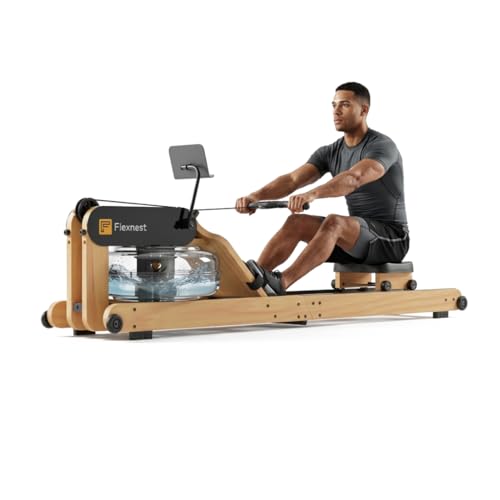
Best Rowing Machines in India 2026
We tested 7 rowing machines for Indian homes — magnetic, water, air, hydraulic. Compare stroke feel, build, foldability and value from ₹12,554 to ₹59,999.
Top Pick
Flexnest Flexrower Plus Smart Bluetooth Rower
No reviews match your search.
Fitness Buying Guide
DC vs BLDC vs AC Motors: What Really Matters
DC motors are the cheapest but have a 30-minute duty cycle — you must rest the machine for 20 minutes after every 30-minute session, a limitation rarely disclosed on product pages. BLDC motors have no duty cycle limit and run quieter. AC motors are the gym-grade gold standard with unlimited continuous use and highest durability, but cost more. For daily runners, choose BLDC or AC. For walkers doing 20–30 minute sessions, DC is acceptable.
Running Deck Size and Machine Weight
The running surface is where you actually walk or run. A deck under 110cm long x 40cm wide feels cramped for anyone above 5'6"; aim for 120cm x 42cm for comfortable jogging. Machine weight is the best proxy for stability — anything under 30kg wobbles at jogging speeds, while 45–60kg frames stay planted. Choose a max user-weight capacity at least 20kg above your actual weight for safety and longevity.
Peak HP Claims Are Meaningless
Every treadmill in India advertises 'peak HP' — the maximum momentary output. A '6HP peak' machine may actually contain a 1–1.5HP continuous motor; one reviewer opened a '6HP' Durafit unit and found a 1.25HP motor inside. Peak HP is pure marketing. What matters is whether the motor handles your weight at your desired speed without overheating — read reviews from users near your weight.
After-Sales Service Is the Achilles' Heel
After-sales service is poor across ALL major Indian treadmill brands — PowerMax, Durafit, Maxpro, Lifelong, Cockatoo, and Fitkit all draw significant complaints about unresponsive phone lines, months-long waits for technician visits, and advance-payment demands. Durafit is the worst; Maxpro and PowerMax are relatively better, with longer warranties giving at least some recourse. Prioritise a long warranty (Maxpro's lifetime frame + 2-year motor) as your best protection.
Frequently Asked Questions
Which treadmill motor type is best for home use?
Is a '6HP peak' treadmill really 6HP?
What treadmill should I buy if I weigh over 100kg?
Do I need auto incline or is manual incline enough?
Explore Other Categories
Not finding what you need? Browse our other categories.
Browse All Categories